No. 02 of 06🏅 Rish’s Choice
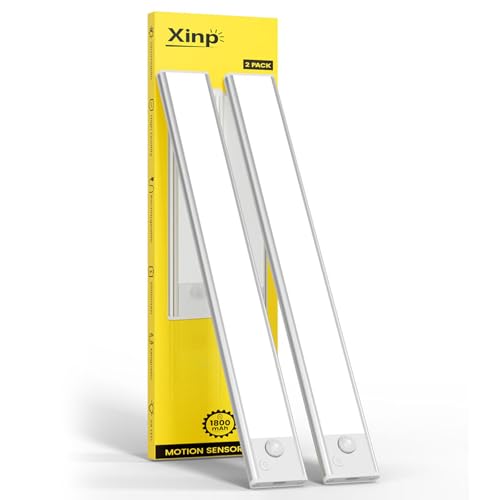
2-Pk 7.8" Xinp Rechargeable Dimmable Under Cabinet LED Lights w/ Motion Sensor
Rish says: Hard to find a deal line this
🎟️ Code WVKB5EGG
$8.99 $17.99 −50%
Price checked · About prices

A deal can have up to four layers of savings on it. A real sale price. A coupon or promo code. Cashback from a portal. And a gift card you bought for less than face value, or got free.
I stack them in that order: sale price, coupon, cashback, gift card. Each layer works on what the one before it left behind. Getting the order wrong, or mixing tools that fight each other, can cancel a layer without any warning at checkout.
From my Top 10 today. The numbers are their spots on today’s list. How I pick them
Deal links on this page are affiliate links: if you buy through one, SlickRish may earn a commission, at no extra cost to you. As an Amazon Associate, SlickRish earns from qualifying purchases. Prices and availability are accurate as of the time shown and can change; the price on the store’s site when you buy is the one that applies. How SlickRish makes money
Rish says: Hard to find a deal line this
🎟️ Code WVKB5EGG
Rish says: Great for young kids and price is phenomenal
🎟️ Clip coupon
Rish says: This will sell out soon
🎟️ Code NPA470JQ
Rish says: Slick deal for this outdoor fan
The first two layers lower the price. The third pays you back on what you paid. The fourth is how you pay.
Cashback is the reason the order matters most. Rakuten’s terms say cash back is earned on your net purchase amount, which leaves out taxes, fees, shipping, gift wrap, discounts and credits, returns and extended warranties. So cashback is paid on the price after the sale and the coupon. A coupon lowers that base a little, but you still come out ahead: the coupon saves more than the cashback you give up on it.
A gift card goes last because it isn’t a discount. It is money you already spent. Its value comes from how you got it.
The math runs sale, coupon, cashback, gift card. The clicks don’t. Rakuten’s own advice is to activate cash back first, through the portal, app or extension, then fill the cart, apply the coupon at checkout, and pay in the same session. If you apply codes first and only later try to turn on cashback, the order may not track.
Everything else stacks on this number, so it has to be honest. A big “was” price means nothing if no store ever charged it. Two of the SlickRish Deal Laws cover this: fake discounts get killed, and before a pick goes up I check the merchant, Amazon and Google Shopping. You can do the same:
The full method is in how I tell a real discount from a fake “was $399”.
Each store handles coupons its own way. Read the terms on the offer itself, because they change.
If you plan to use cashback, stick to codes the portal lists, or read its terms first. The cashback section explains why.
A cashback portal gets paid a commission by the store for sending you there, and shares part of it with you. SlickRish links to two of them: Rakuten and Capital One Shopping. Both of those links on SlickRish are my referral links. If you join through them, SlickRish may earn a referral bonus. It doesn’t change what you pay, and you still get the same cash back those programs advertise. Details are on the disclosure page.
Rakuten’s terms say cash back amounts vary by store and product category and carry exclusions. Here is what the three stores in this guide looked like on Rakuten as of September 2026:
Capital One Shopping works a little differently. It is free, and you don’t need a Capital One card. Its browser extension finds coupon codes and applies them at checkout, and it pays Shopping Rewards on eligible purchases at partner stores. You redeem those rewards for digital gift cards. Capital One says redemption rates vary and can change.
Before you shop, open the store’s page on the portal, or visit the store with the portal’s extension on. Read the rate and the terms and exclusions. If your item’s category is excluded, or the store shows no cash back, skip this layer. That is the Deal Law: cashback gets stacked when it helps. If Rakuten or Capital One Shopping pays on a store, I’ll say to start there first.
A gift card saves you money only if you got it for less than it is worth. There are a few legitimate ways:
Be careful with discounted gift cards sold by strangers or resale sites. Amazon lists buying a gift card from an unauthorized third party as a prohibited activity, because it can’t guarantee those cards are legitimate. Walmart’s gift card terms list the same thing. Amazon, Walmart and Target also don’t let you use their gift cards to buy other gift cards.
Your credit card may carry its own store offers, such as Amex Offers or Chase Offers. They sit on the payment side, next to the gift card, and they have strict rules:
One catch: the part of an order you pay with a gift card isn’t charged to your card, so it can’t count toward a card offer’s spend.
Most lost savings come from tools stepping on each other. These are the ones the programs themselves warn about:
Not as an ongoing rate in the US. As of September 2026, Rakuten’s Amazon page lists only a new-member offer: $5 back on each of your first 3 eligible Amazon orders within 60 days of signing up, made through the Rakuten extension or app. Rakuten says Amazon is not a Rakuten partner and that the offer can change at any time.
Not reliably. Rakuten says competing extensions and links from other coupon or rewards sites stop its cash back from tracking, and Capital One Shopping says its rewards may not be available when another rewards or coupon extension is installed. Pick one for each purchase.
It can. Rakuten’s Target terms say codes not listed on Rakuten void cash back, and its Amazon new-member offer excludes promo codes not featured on Rakuten. Store coupons and codes the portal lists are the safer choice. Check the terms on the store page before you check out.
Sometimes. Rakuten’s terms say purchases paid with a gift card may not earn cash back where the store’s offer terms exclude them, and its Amazon new-member offer excludes gift card redemption. Card-linked offers only count what is charged to the enrolled card.
It is a risk. Amazon and Walmart both list buying a gift card from an unauthorized third party as a prohibited activity, and Amazon says it can’t guarantee those cards are legitimate. Store promos and portal rewards are the safer ways to get a gift card for less than face value.
Checked Sep 25, 2026. Store rules change; the store’s own page wins if it disagrees.
Ten things I’d actually buy, every day. Price stamped, fake discounts killed, cashback stacked when it helps.
No account. No popups.
