No. 02 of 06🏅 Rish’s Choice
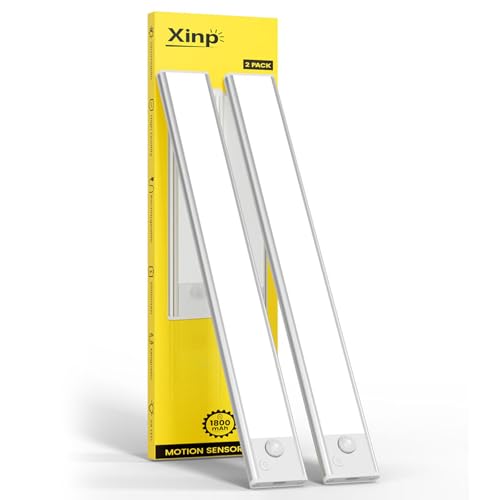
2-Pk 7.8" Xinp Rechargeable Dimmable Under Cabinet LED Lights w/ Motion Sensor
Rish says: Hard to find a deal line this
🎟️ Code WVKB5EGG
$8.99 $17.99 −50%
Price checked · About prices

Amazon runs two big sales for Prime members each year. Prime Day is the summer one. In 2026 it ran four days, June 23 to 26. Prime Big Deal Days is the fall one. The 2026 event is two days, Tuesday, October 6 and Wednesday, October 7.
Both events are loud. Countdown clocks, “claimed” bars, red percent-off badges. Some of it is a real low price. Some of it is theater. This guide is how I tell the two apart, and how I pick the Top 10 for these events.
From my Top 10 today. The numbers are their spots on today’s list. How I pick them
Deal links on this page are affiliate links: if you buy through one, SlickRish may earn a commission, at no extra cost to you. As an Amazon Associate, SlickRish earns from qualifying purchases. Prices and availability are accurate as of the time shown and can change; the price on the store’s site when you buy is the one that applies. How SlickRish makes money
Rish says: Hard to find a deal line this
🎟️ Code WVKB5EGG
Rish says: Great deal on game pass
🎟️ Code 5DXBX
Rish says: Great for young kids and price is phenomenal
🎟️ Clip coupon
Rish says: This will sell out soon
🎟️ Code NPA470JQ
Rish says: Slick deal for this outdoor fan
| Event | 2026 dates | Length |
|---|---|---|
| Prime Day | Tue, June 23 to Fri, June 26 (12:01 a.m. PDT June 23 to 11:59 p.m. PDT June 26) | Four days |
| Prime Big Deal Days | Tue, Oct 6 to Wed, Oct 7 (12:01 a.m. PDT Oct 6 to 11:59 p.m. PDT Oct 7) | Two days |
Amazon’s own FAQ puts it this way: Prime Day typically runs four days in summer, and Prime Big Deal Days is a two-day fall event meant to kick off holiday shopping.
You need Prime to get the event prices. Amazon lists Prime at $14.99 a month or $139 a year, and says eligible customers can start a 30-day free trial and shop the sale on it.
Amazon has not announced Prime Day 2027 dates yet. I will update this page when it does. Until then, any 2027 date you see elsewhere is a guess.
Kindle, Echo, Fire TV, Ring, Blink and eero are Amazon’s own device lines. Amazon makes these and puts them front and center: its announcements for both 2026 events called out device and device-bundle deals by name. That makes devices a good place to start looking. It does not make every device deal a good one.
Check the Price History link on the product page anyway (how, below). And buy the model you actually want. A cheap older model is not a win if you replace it next year.
The best Prime deal is a lower price on something you were going to buy anyway. The replacement charger. The coffee you drink every week. The gift you would buy in December regardless.
Write the list before the sale starts. Then search for those items during the event, instead of browsing the deal pages and letting them decide for you. A discount on something you did not need is still money spent.
The crossed-out price is the first thing to question. Amazon’s own help page explains that a “List Price” is the suggested retail price given by the manufacturer, supplier or seller. Except for books, Amazon says it only shows one if the product sold on Amazon, or was offered by other stores, at or above that price in the past 90 days (180 for seasonal items). Amazon also says list prices may not reflect the price the product usually sells for.
The other common strike-through is the “Typical Price.” Amazon says that one is the median price customers paid on Amazon over the past 90 days, leaving out limited-time promotions. That is closer to what people actually pay. So look at which label sits next to the crossed-out number. A big percent off a list price can shrink a lot against the typical price.
The FTC’s guidance is plain. Its pricing guides say a former price is a fair comparison only if the item was really offered at that price, regularly, for a reasonably long time. A price set high so it can be cut later is a fake bargain. More on this in how I tell a real discount from a fake “was $399”.
Lightning Deals are real limits. Amazon’s help page says they run for a limited time, one per customer, until the time runs out or every deal is claimed. The page shows a bar with the percent claimed and a timer. Once one is in your cart, you have 15 minutes to check out. If they sell out, you can join a waitlist, but a waitlist spot does not guarantee the deal. During Prime Day and Prime Big Deal Days, Amazon says Lightning Deals are for Prime members only.
For Prime Big Deal Days 2026, Amazon says new “Today’s Big Deals” drop three times a day: at midnight, 8 a.m. and 1 p.m. PDT.
None of that is fake. But a timer tells you when a price ends, not whether it is good. The clock and the claimed bar push you to decide before you check. In a 2022 report on dark patterns, the FTC flagged countdown timers that make people think an offer is time-limited when it is not. On Amazon the limit is real. The pressure works the same way on you either way.
My rule: if I would not buy it at this price without the timer, the timer does not change that.
Bundles are where percent-off numbers get big fast. Amazon says a “Bundle List Price” is the bundle’s list price, or the sum of the list prices of the items in it. So the savings are measured against the full price of every piece, including the case, the cable and the no-name accessory you would never have bought.
Price the one item you want on its own. Then add only the extras you would actually pay for. If the bundle beats that total, it is a deal. If not, it is packaging. For bundles from brands you do not know, check who the seller is on the product page before you trust the headline number.
A red badge means a promotion is running. It does not tell you the price is low for that product. Two Amazon labels do say something about recent history. The Typical Price (covered above) is a 90-day median. “Lowest Price in XX Days” means the current price is at or below the lowest featured-offer price on Amazon for that item over that window. Useful, but Amazon picks the window. A 30-day low is not a yearly low.
Why do I send you to Amazon’s chart instead of showing my own? Amazon’s rules for affiliate sites like this one say the site must not have price tracking or price alert features unless Amazon agrees. So this site shows no Amazon price history and sends no Amazon price alerts. Amazon’s own Price History link is the right tool, and it is free.
The same Deal Laws apply on event days as on any other day. The short version:
For Prime Big Deal Days and Prime Day, I tag the deals I would buy for that event and rank them 1 to 10. If I have tagged fewer than ten, the page fills in with my other current Amazon picks. It never pads the list with scanner finds. Anything my scanner found that I have not reviewed sits in a separate, labeled block below the picks.
Nobody pays for a spot in the Top 10. As an Amazon Associate, SlickRish earns from qualifying purchases, and other stores’ links can earn a commission too. That never decides what goes up. Details are on the disclosure page.
If you want my picks in your inbox, get the daily email.
Tuesday, October 6 and Wednesday, October 7, 2026. Amazon says it starts at 12:01 a.m. PDT on October 6 and ends at 11:59 p.m. PDT on October 7. You need a Prime membership or an eligible free trial to get the event prices.
Both are Amazon sales for Prime members. Per Amazon, Prime Day typically runs four days in summer, and Prime Big Deal Days is a two-day fall event. In 2026, Prime Day was June 23 to 26 and Prime Big Deal Days is October 6 to 7.
They are a good place to start, because Amazon named device and device-bundle deals in its announcements for both 2026 events. Still open the Price History link on the product page and compare before you buy.
There is no rule that holds for every product. Black Friday 2026 is November 27. Check Amazon’s Price History link during Prime Big Deal Days and again in late November, and buy when the price matches the low on the chart.
Amazon’s rules for affiliate sites say the site must not have price tracking or price alert features unless Amazon agrees. Use the Price History link on Amazon’s product page instead. Amazon says it shows up to 365 days of prices on eligible products.
Checked Sep 25, 2026. Store rules change; the store’s own page wins if it disagrees.
Ten things I’d actually buy, every day. Price stamped, fake discounts killed, cashback stacked when it helps.
No account. No popups.